

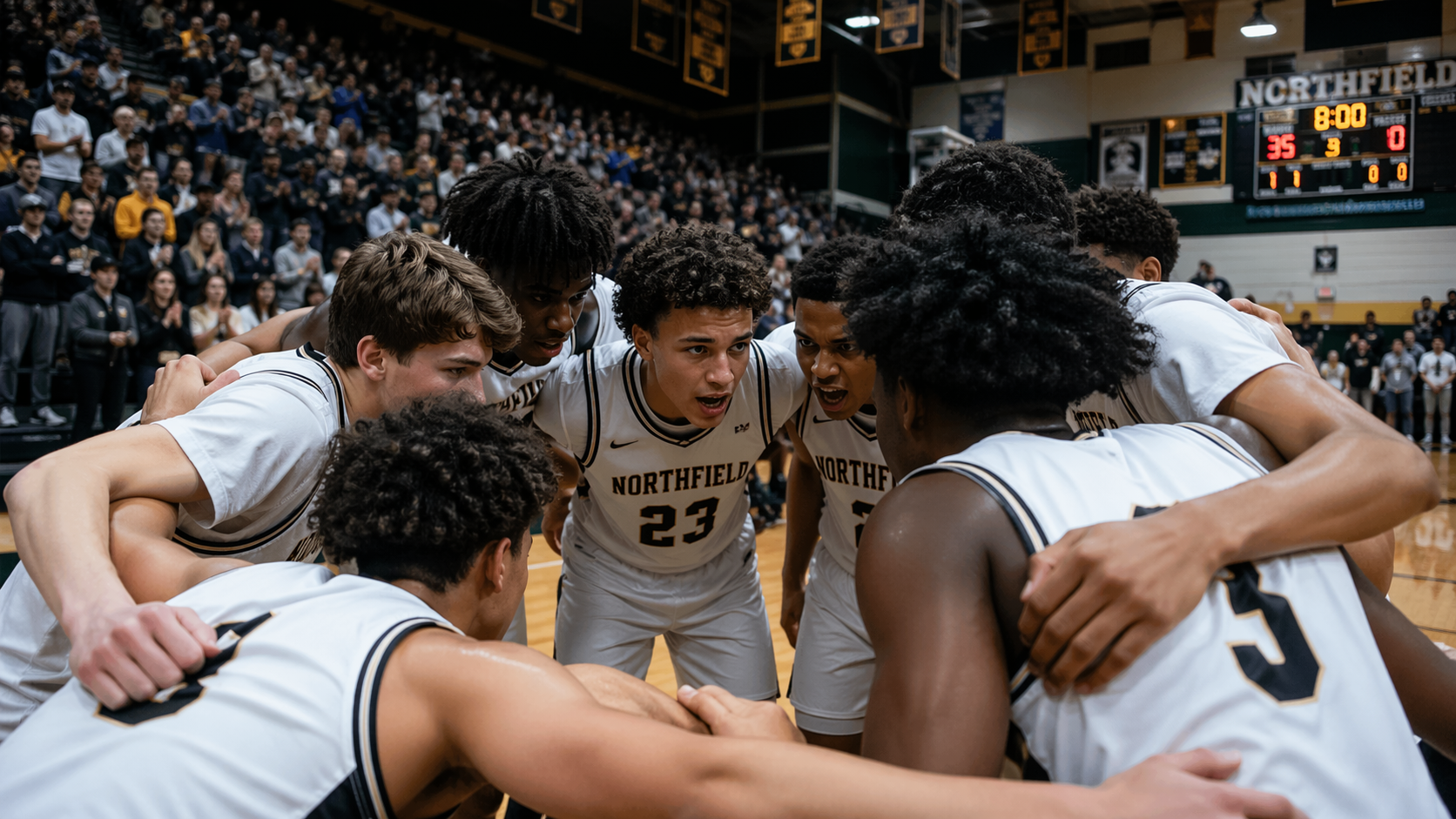
Choose a partnerwithout getting burned.
Coaches and ADs: how to vet a custom apparel partner, what to ask, and the red flags that signal a vendor will burn your season.
I have coached youth baseball for twelve years. I have ordered gear. I have also watched parents, club directors, and rec-league coordinators order gear. The pattern is the same almost every time.
Somebody places an order in May for a summer season that starts in late June. The gear shows up in August. The season is over. The jerseys sit in boxes in someone's garage. A kid wore a cotton tee all summer because the uniform he was measured for in April arrived a month after he stopped playing.
That is not a one-time story. It is the default experience with a lot of apparel vendors, and it is usually the first sign that a program is working with the wrong partner.
This article is for the high school athletic directors, head coaches, and club organizers who are tired of that default. It covers what actually matters when you pick a custom apparel partner for your athletic program, what the real red flags are, and the questions you should ask any vendor before you sign anything.
Choosing a partner is an operational decision.
Most programs treat picking a vendor like picking a logo. It is not. It is an operational decision. The wrong partner means rosters in wrong jerseys on opening night. The right partner means your team store stays open, your reorders arrive before the next game, and you spend your week coaching instead of chasing a customer service inbox.
The good news is that the signals are easy to read if you know what you are looking for.
If your program is comparing a local custom partner to a national vendor, the red flags below are the structural shape of the differences. We have published two head-to-head reviews on the same dimensions: Plus Effort vs BSN Sports and Plus Effort vs SquadLocker. This article is the field guide that lives between them.
The five red flags coaches and ADs report most often.
I pulled complaints from Reddit threads, Better Business Bureau filings, Trustpilot reviews, and coach forums like DiscussFastpitch. Different vendors, different regions, different sports. The same five complaints kept coming up.
1. Late delivery against a fixed season opener.
This is the complaint that shows up most often, and it is the one that ends a vendor relationship fastest. A program orders in March for an August opener, the gear shows up the week after the first game, and the season is half over before the kit is on the field.
The pattern underneath the complaint is usually a vendor that quotes a six-to-eight-week production timeline as a generic estimate, then runs into a specific bottleneck (a fabric backorder, a decoration-machine queue, a freight delay) and absorbs the slip silently. The program does not learn the order is late until it is already late.
How to vet for it: ask the vendor for their last six on-time delivery rates by sport. Any vendor that has been operating for more than a year has the data; any vendor that will not share it is hiding something. Then ask what happens if production slips. The answer should include a specific escalation path with a name and a phone number, not "we will let you know".
2. Sizes that do not match the fit session.
A coach measures every athlete in April, a roster sheet goes to the vendor in May, and the gear shows up in July with a third of the sizes wrong. The pattern: the vendor mapped the roster sheet against a generic sizing chart instead of running the actual cut samples through the program.
Cuts vary widely between manufacturers and between product lines. A "Large" jersey from Nike does not fit the same as a "Large" jersey from Augusta. A program that orders a fitted-cut basketball jersey without sizing against the actual sample is gambling that the manufacturer chart matches their roster, and the gamble fails about a quarter of the time.
How to vet for it: ask whether the fit session uses physical samples of the exact product the order will run, in every cut variant the roster needs (sport-cut, women-cut, plus sizes). If the answer is "we work off a chart" or "we send you a kit of generic samples", you are in size-mismatch territory. The right answer is "we bring the production samples on campus and size every athlete in writing".
3. Hidden setup fees that change the per-unit math.
A program gets a quote at $85 per jersey and signs the order. The invoice arrives at $110 per jersey because the proposal did not include digitizing fees, screen setup fees, color-matching fees, art-prep fees, or freight. The per-unit number was real; the program just was not buying what they thought they were buying.
This is the complaint that shows up most often in club and youth programs that operate on volunteer-managed budgets. The total order cost is what the booster club is approving against; the per-unit number is what gets quoted; the gap between the two is where the fees live.
How to vet for it: ask the vendor to name every fee on the invoice in writing on the proposal, not in a verbal quote on a call. Decoration setup, digitizing, art prep, and color matching should be consolidated into the quoted price rather than surfacing later; taxes and shipping are legitimately calculated at invoice, so ask for the estimate on those too. If the vendor cannot tell you which costs are in the quoted number and which are added at invoice, that is the answer.
4. Reorders that miss the season window.
The original order delivers on time. Then in week three of the season, a kid grows out of his jersey, a senior tears a sleeve, or three transfers join the roster. The reorder gets placed and runs into a six-week production cycle, which means the gear shows up in week nine, which means the kids who needed it played the second half of the season in mismatched gear.
The pattern underneath the complaint is a vendor that does not run a separate, faster reorder track. National vendors typically batch reorders into the same production queue as new orders, which means a small reorder waits behind a 200-unit varsity order ahead of it.
How to vet for it: ask the vendor what their stated reorder turnaround is during the season, separately from the new-order timeline. Any vendor without a different number for those two things does not have a reorder track. The right answer is something like "72 hours for a same-spec reorder during the season, ten business days for a custom reorder".
5. Service that goes silent after the order ships.
The vendor was responsive during the sales cycle, attentive during the order, helpful during the production phase. Then the order ships and the relationship goes silent. Calls do not get returned, follow-up questions sit in inboxes for a week, and the rep that signed the program up has been replaced by a service coordinator the program has never spoken to.
This is the structural shape of every transactional vendor relationship. The sales cycle is the most resourced phase because that is where new revenue lives. Once the invoice clears, the account moves to the lower-touch service tier where most of the company actually runs.
How to vet for it: ask the vendor who handles your account in week three of the season, by name, and what their direct contact information is. If the answer is the sales rep who closed the original order, find out whether that rep still owns the account in year two. If it is a generic support email, you have your answer. The right structure is a single point of contact with phone access who owns the relationship across years, not just orders.
The ten questions to ask before you sign.
Once you know the red flags, the vetting questions write themselves. Send these ten to any vendor before you sign a contract. The answers tell you what you are actually buying.
- What was your on-time delivery rate over the last six months, broken out by sport?
- What is your specific escalation path if production slips?
- Who handles my account in week three of the season, by name and phone?
- Will the fit session use the production samples in every cut variant my roster needs?
- What is your same-spec reorder turnaround during the season?
- What is the all-in invoice number, including every fee, in writing?
- Who is the production partner that actually decorates the gear, and where are they located?
- Do you carry inventory of my exact product line for reorders, or is every reorder a fresh production run?
- What happens if the gear arrives and the colors do not match the proof?
- Can I have references from three current customers in my sport in my region?
The last one is the most important. Any vendor that has been operating for more than a year has references that match your shape of program. Any vendor that cannot produce three is either too new, too small, or too churned-through to be safe.
A custom apparel partner is not a logo decision. It is an operational decision that lives across years. Pick wrong, and the program eats a season of mismatched gear and burned trust. Pick right, and the partner becomes invisible infrastructure that lets the coach coach.
More on the same shelf.
- Apr 18, 2026 · Scott Reinen · 9 min
Decoration methods, explained.
Screen print, embroidery, tackle twill, and sublimation. How each method works, what it costs, and when to use it.
- Apr 14, 2026 · Kevin Badke · 7 min
Why local matters.
Why Virginia athletic programs get more from a local team apparel partner than a national vendor.
- Apr 20, 2026 · Kevin Badke · 8 min
How to order team uniforms.
How the custom team uniform ordering process works, with timelines that will not burn your season.
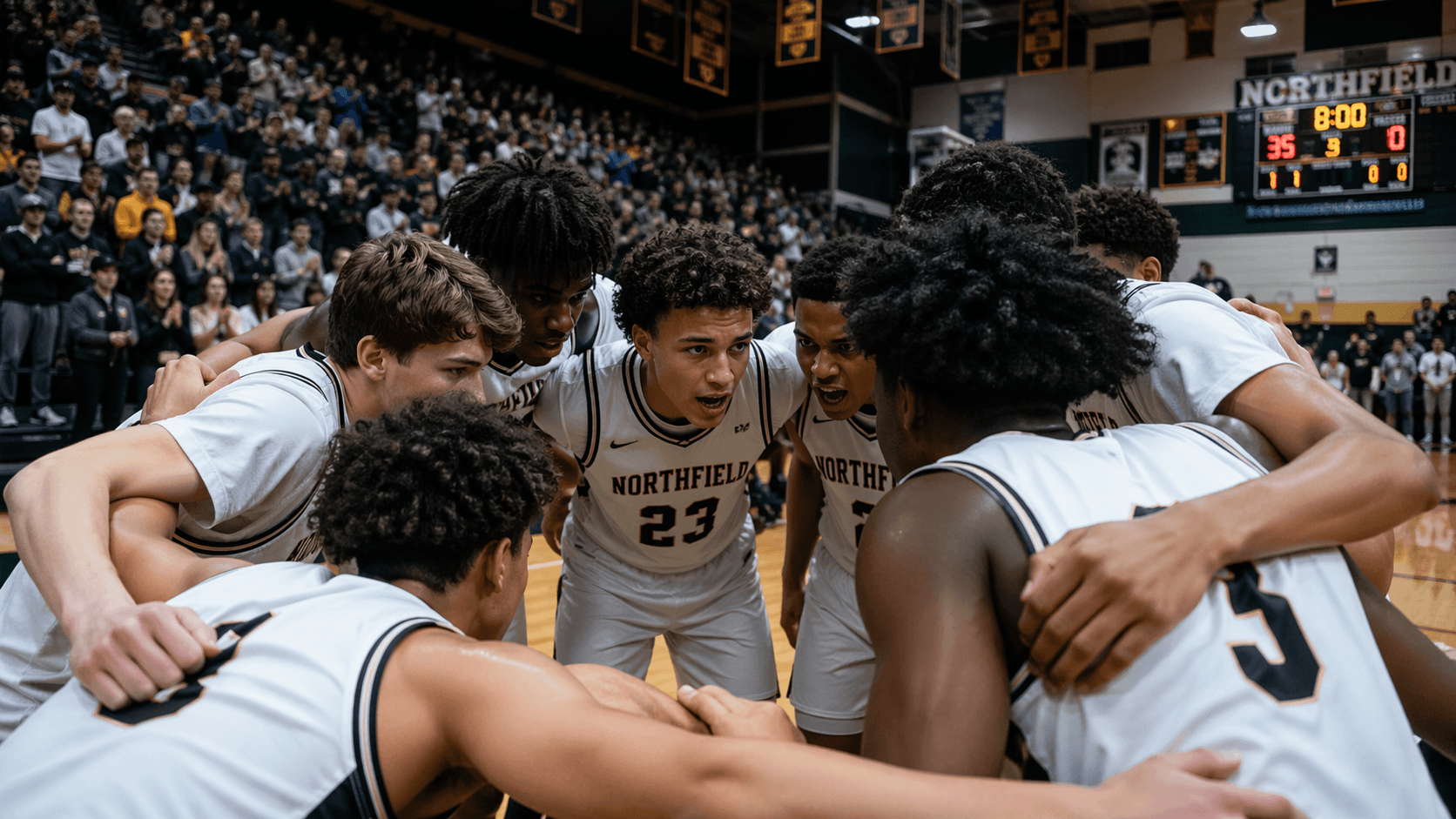
Start the
conversation
Three fields, fifteen minutes. We come back with a scoped quote inside 48 hours, not a catalog and a sales rep.