

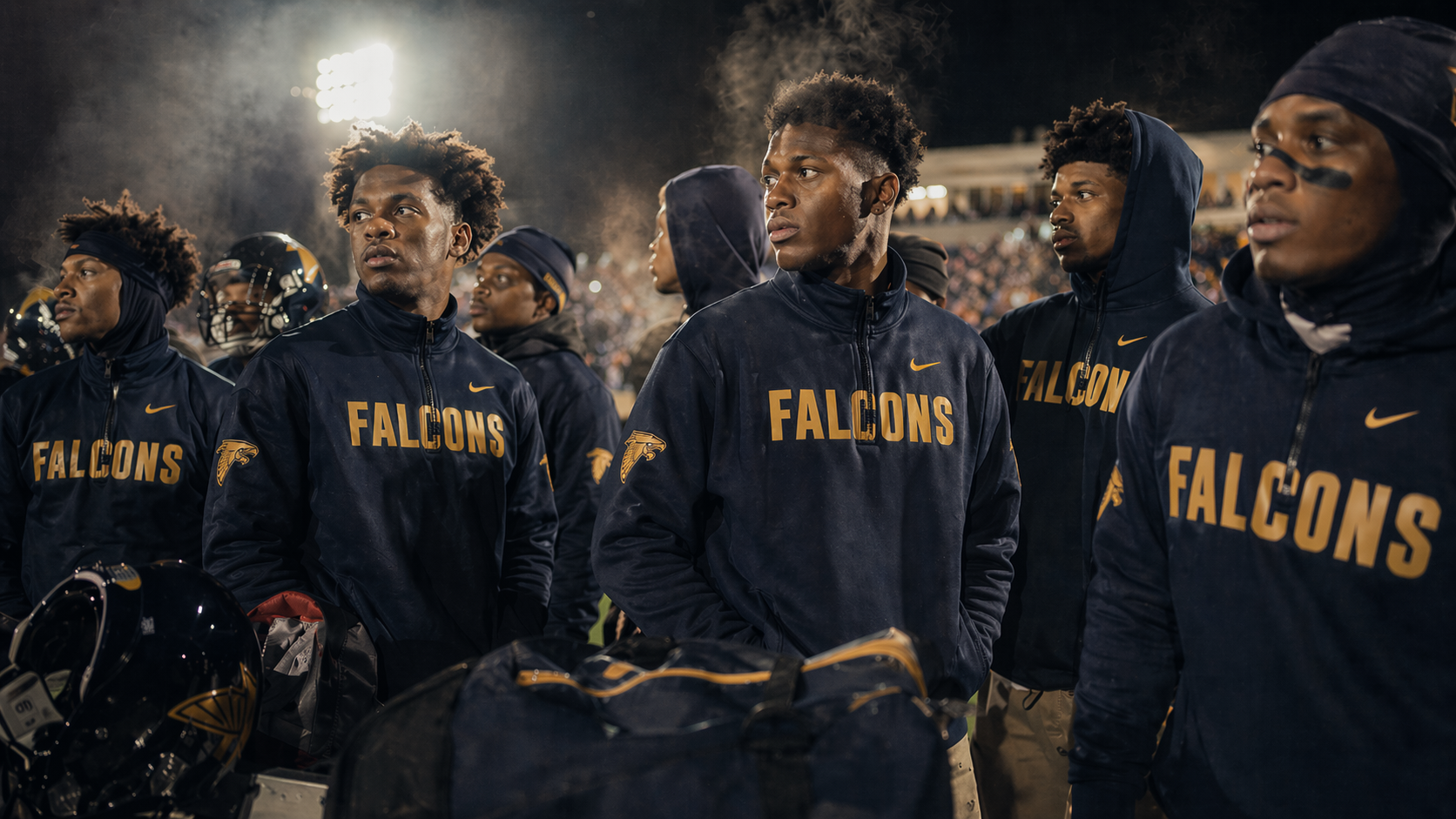
How to orderteam uniforms.
Virginia coaches: how the custom team uniform ordering process works, with timelines that will not burn your season.
Say you just took over a Virginia high school football program. It is March. You have inherited a roster and a closet full of three-year-old jerseys, mismatched from past reorders, with the numbers starting to crack on the seniors. Summer conditioning starts in late June. Fall camp opens in August. Your opener is the last Friday of August.
You have five months. Less, in practice, because fittings have to land before the kids leave for summer and proofs need a week of sign-off cycles. The order has to be placed in March or early April for the gear to land before camp.
That is the timeline most Virginia programs are working with whether they realize it or not. The national vendor model treats it like a generic six-to-eight-week production cycle (we cover the structural tradeoffs in our Plus Effort vs BSN Sports and Plus Effort vs SquadLocker reviews). The local model treats it like your season, which is what it actually is.
The full timeline.
A clean order, soup to nuts, runs about twelve weeks from first call to delivery. That includes:
- Discovery (week 1): fifteen-minute call, scope of program, sport mix, budget reality.
- Proposal (weeks 2-3): product spec, decoration method per item, sample selection, per-unit pricing.
- Fit session (week 4): on-campus sample sizing for every athlete who will wear the kit.
- Proofs (weeks 5-6): digital art, color matching, final sign-off from the AD or head coach.
- Production (weeks 7-11): decorate, sew, QA, ship to a single facility address.
- Delivery + audit (week 12): uniforms in the building, every athlete confirmed against the roster.
Reorder windows that programs miss most.
Reorders are the most under-planned part of every uniform program. A coach assumes they can call mid-season and get replacement gear in the building inside a week, and most of the time the math does not allow it. The full custom-production cycle for a single jersey is the same as the cycle for a hundred jerseys; the bottleneck is decoration setup, not unit count.
There are three reorder scenarios every program runs into. Each one has a different timeline.
The same-spec reorder.
This is the most common scenario. A kid grows out of his jersey, a senior tears a sleeve at practice, three transfers join the roster after fall sports cuts. Same uniform spec, different size or different number, against an order that ran two months ago.
The realistic timeline for a same-spec reorder against a quality production partner is seven to ten business days. The decoration setup already exists from the original order, the fabric specs are locked, the cut sample is already on file. What slows the reorder is the production-queue wait at the partner facility, not the actual decoration work.
A vendor that quotes "72 hours for a same-spec reorder" is either running a small enough operation that they can move a single jersey through the queue fast, or they carry blank-jersey inventory in your spec and only need to run the decoration. Both are good signs. A vendor that quotes "four to six weeks" is treating your reorder like a new order, which means they do not have a real reorder track.
The new-spec midseason add.
Your program decides midseason to add a new piece (a long-sleeve undershirt, a alternate uniform top for a rivalry game, a custom warm-up shirt for the playoffs). New spec means new decoration setup, new sizing run, new proof cycle.
The realistic timeline is three to five weeks from order to delivery, depending on the decoration method. A screen-printed playoff t-shirt run is the fast end (two weeks). A tackle-twill alternate jersey is the slow end (five weeks). A sublimated long-sleeve undershirt is in the middle.
Programs that want to run a new-spec add midseason should plan it as part of the original order. Drop the new piece into the proof cycle before the season starts; the production cost is the same and the gear lands together.
The damage-replacement rush.
A jersey gets shredded in week three, the senior who wears the most-photographed number on the field cannot play the rivalry game in someone else gear, and the coach calls Friday morning asking for a replacement before kickoff that night.
There is no production cycle that ships a custom-decorated jersey in twelve hours. What works in this scenario is a vendor that carries blank-jersey inventory in your exact spec and can press the decoration on-site within hours, or a vendor close enough to drive the replacement to the field. The first option requires the vendor to commit inventory to your program; the second requires the vendor to be local enough to make the drive.
The right way to plan for damage replacement is to over-order the original run. Add three jerseys above your roster count for varsity, two for sub-varsity, with the most-injured numbers covered (linemen and goalkeepers tear gear fastest). The math on the over-order is cheaper than the math on a rush replacement.
Rush turns and what they actually cost.
Rush production runs are real, and most quality vendors offer them, but the cost structure is rarely transparent. A "rush" on a sublimated jersey order typically means moving the order ahead in the production queue, paying for overtime decoration work, and paying for expedited freight at the end. The line-item costs add up.
A typical rush surcharge for a 50-unit jersey order is 25 to 50 percent above the standard per-unit cost, plus expedited freight (typically $200 to $500 for a single shipment to a school facility). On a $5,000 order, the rush turns it into a $6,500 to $7,800 order. The math is real.
When rush is worth it: a transfer kid arrives in week one and his number on the roster is already reserved, a uniform line gets discontinued and you need to lock the spec before the next reorder window, a sponsorship deal lands in week three and the new logo has to be on the gear by playoffs.
When rush is not worth it: the program could have ordered four weeks earlier and chose not to, the missing piece is non-critical (a practice top, a third color of warm-up jacket), or the rush is for a single athlete who can wear a same-spec jersey from a different number that is in inventory.
Inheriting a program: the first-year playbook.
A new head coach takes over a Virginia high school program in February. The previous coach left a closet full of three-year-old jerseys, mismatched from past reorders, with the numbers cracking on the seniors. The new coach has five months until the season opener and a roster they have not yet met.
This is the most common scenario in Virginia high school athletics, and it is the one new coaches handle worst. The instinct is to refresh everything in year one to set the visual identity. The right move is the opposite: triage what is salvageable from the existing kit, run a single decoration update to bridge year one, and plan the full refresh for year two when the coach has had a season to learn the program.
Year one triage. Inventory every jersey in the equipment closet. Sort into three buckets: usable for varsity, usable for JV, and not usable. Count the usable buckets against the projected roster. Most programs find that they have enough varsity jerseys for the senior class with two to four gaps that can be filled with a same-spec reorder against the existing decoration setup. Do that, not a full refresh.
Year one bridge order. Place a small order for the gaps and any sub-varsity needs. Match the existing program identity exactly; do not redesign. The goal in year one is to coach, not to rebrand. A new coach who arrives and immediately changes the uniform sets a tone that the program is starting over, which is rarely the right read.
Year two refresh. By the end of year one, the new coach knows the program. They know what works in the visual identity, what does not, and what the seniors going into year two want to wear. Run the full uniform refresh in February of year two for the upcoming season. Order in March. Fit session in April. Delivery before fall camp.
The exception to this playbook is when the existing kit is a real liability: cracked numbers across half the roster, mismatched colors that look like three different teams on the sideline, or a previous coach who walked away with the program identity in his head. In those cases, run the full refresh in year one because the cost of looking unprofessional outweighs the cost of changing the look.
The four things to lock before the order goes out.
Whether you are running a fresh order, a reorder, a midseason add, or a year-one bridge, four decisions have to be locked in writing before the production cycle starts. Skipping any of them is what turns a clean order into a missed delivery.
- Roster count plus the over-order pad. A varsity football program orders a minimum of three jerseys above the roster count for damage replacement. A basketball program orders one above. The pad is cheaper to buy now than to rush later.
- Decoration spec and font lock. The exact tackle twill font, the exact sublimation pattern, the exact embroidery file. Programs that change fonts year over year cannot reorder against the original setup, which means every reorder is a new order at new-order pricing.
- Color match against existing program identity. Pull the existing helmet decals, gym banners, or letterhead. Match against the proof, not against an approximate description like 'navy'. There are six different navies; pick the right one in writing.
- Delivery date and the escalation path if it slips. The expected ship date in writing on the proposal, with a named contact and phone number for the case where production runs late. Vendors that will not name a person for the escalation path are vendors that have already lost the game.
Custom team uniforms are an operational problem, not a design problem. The programs that get this right run a calendar, lock specs in writing, over-order for damage, and pick a partner who answers the phone in week three of the season. The rest is decoration.
More on the same shelf.
- Apr 18, 2026 · Scott Reinen · 9 min
Decoration methods, explained.
Screen print, embroidery, tackle twill, and sublimation. How each method works, what it costs, and when to use it.
- Apr 14, 2026 · Kevin Badke · 7 min
Why local matters.
Why Virginia athletic programs get more from a local team apparel partner than a national vendor.
- Apr 16, 2026 · Scott Reinen · 7 min
Choose a partner without getting burned.
How to vet a custom apparel partner, what to ask, and the red flags that signal a vendor will burn your season.
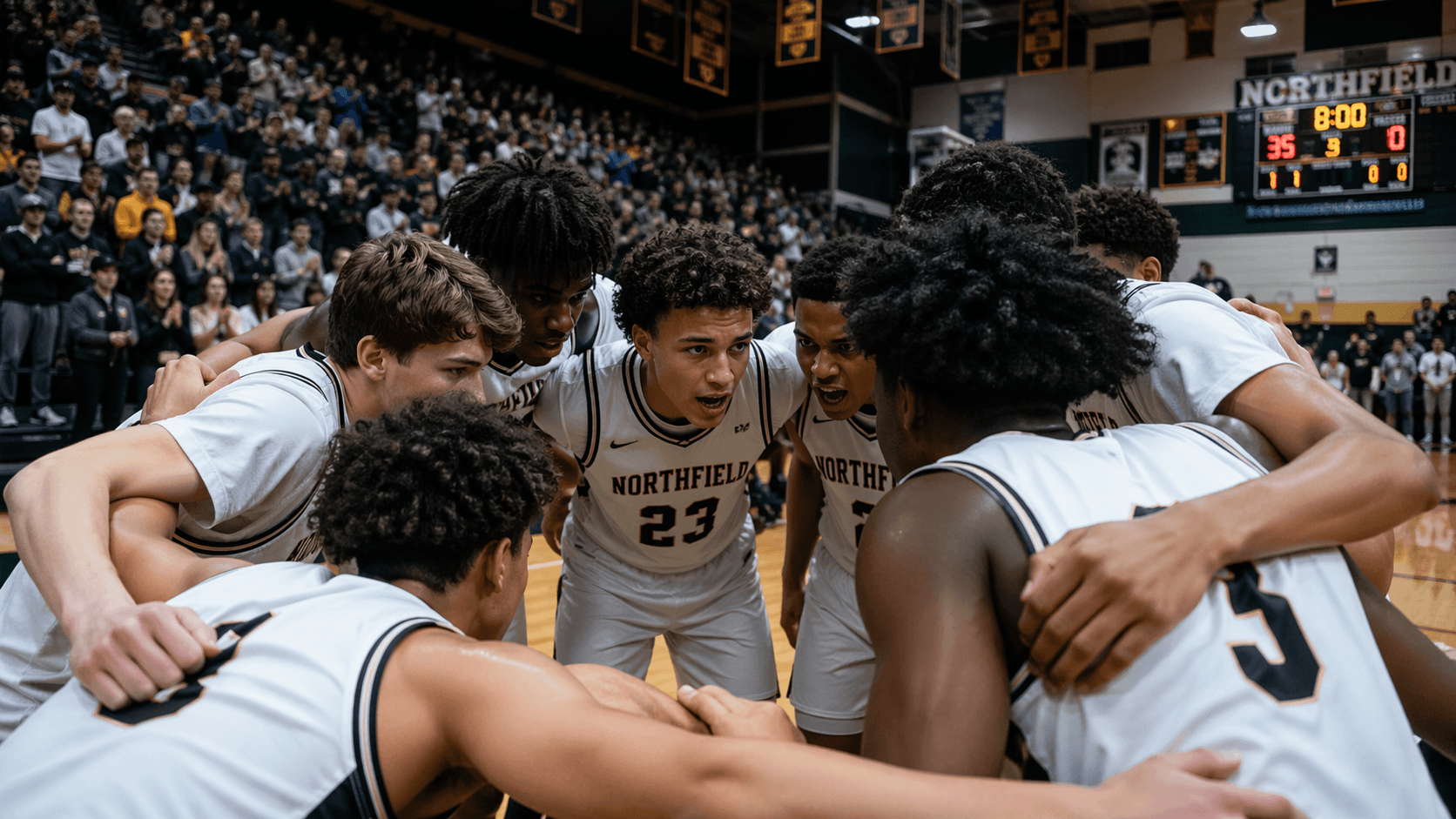
Start the
conversation
Three fields, fifteen minutes. We come back with a scoped quote inside 48 hours, not a catalog and a sales rep.